Text: Sami Anteroinen

As brand owners prepare for evolving packaging regulation, including the EU Packaging and Packaging Waste Regulation, design is becoming an even more important tool for combining consumer appeal, material efficiency and recyclability from the earliest stages of packaging development.

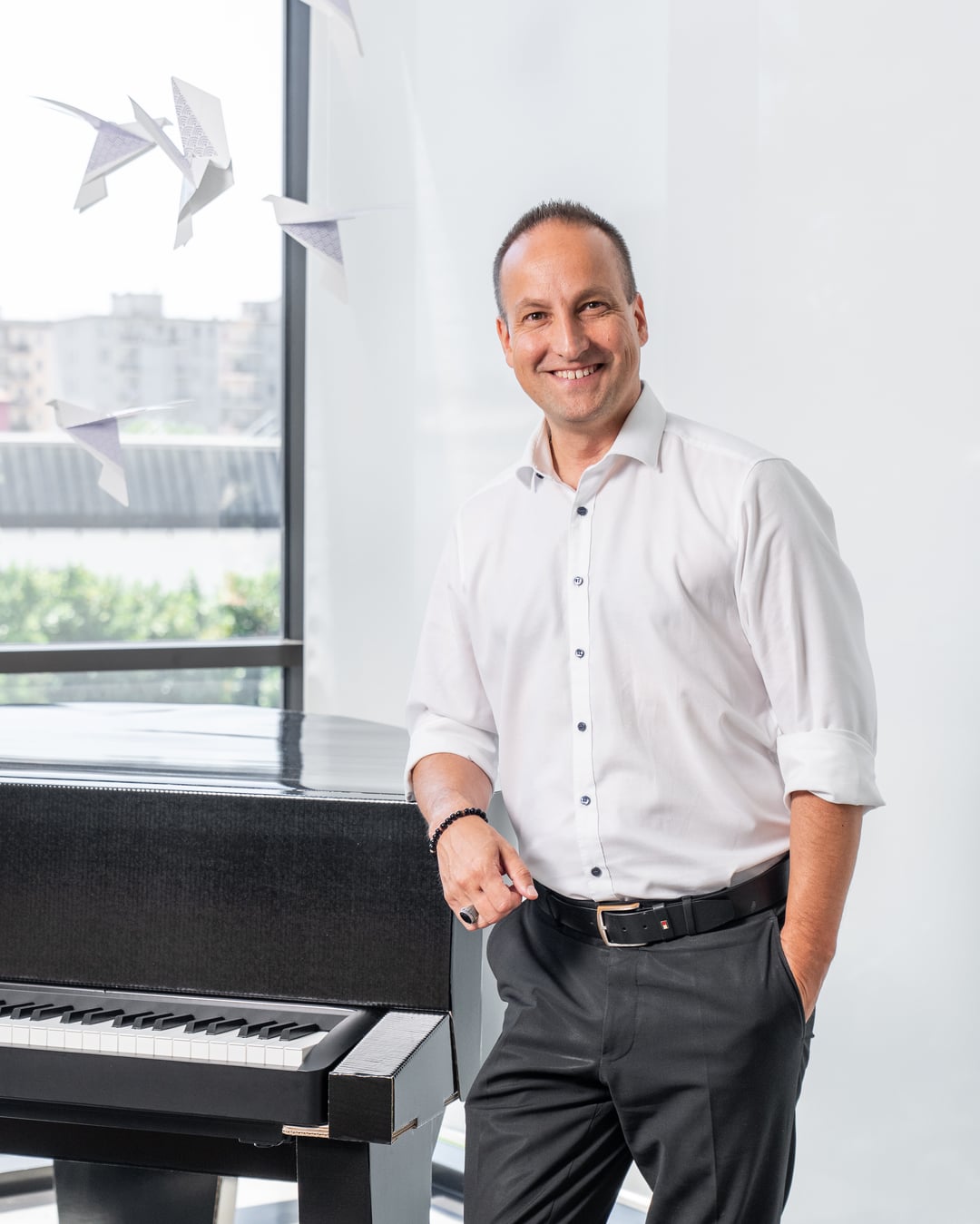
Ilkka Harju, Director, Packaging Design Services, reports that the Milan Design Studio is a full-blown “inspiration hub” with a mandate to study, develop and innovate.

“The discussion around packaging can’t revolve around technical specifications anymore. It is high time that packaging is recognized as a strategic element that supports brand experience, functionality and increasingly also material efficiency and recyclability, and offers potential to reduce packaging’s carbon footprint and therefore brand owners’ Scope 3 emissions.”

Launched in July 2026, the Milan operation will fully mobilize Metsä Board’s strong R&D and design capabilities, creating a truly diverse innovation platform. World’s design capital, Milan, will yield several key advantages to the venture, offering excellent accessibility and great connectivity to Northern Italy’s extensive packaging ecosystem.

“Operating in Via Tortona, the Design District of Milan, we have the pulse of the entire value chain.”

Faster packaging development through design, data and material expertise

With this new design dynamo now starting to gain momentum, Ilkka Harju knows the “secret sauce” of the operation full well: it is all about accelerating the innovation process.

“We have built a concept that thrives on speed – that is our number one thing here,” Harju says, adding that when a customer walks in with a problem, you can be sure they walk out with a top-notch solution.      

How does it all work in practice, then? – Well, Ilkka Harju explains that, at Design Studio Milan, design prowess, material expertise and data combine forces under just one roof, shortening the journey from idea to implementation. 

“The studio really lives and breathes to bridge creativity and the right materials in new, ground-breaking ways.”

The goal is to solve customers’ packaging challenges and to create even better packaging materials, while delivering enhanced brand experience for the customer. What’s more, the Nordic fresh-fibre paperboard remains a formidable “ace in the hole” for the studio.

Ilkka Harju, Director, Packaging Services Europe & Emerging Markets
The studio really lives and breathes to bridge creativity and the right materials in new, ground-breaking ways

How packaging design can support PPWR readiness and recyclability goals

Regulation is becoming one of the key drivers of packaging innovation. As brands prepare for the EU Packaging and Packaging Waste Regulation (PPWR), packaging choices need to deliver not only brand impact and product protection, but also support recyclability, material efficiency and future circular economy requirements. PPWR places increasing emphasis on packaging minimisation, recyclability and reducing packaging waste, making early design decisions more important than ever. 

At Design Studio Milan, customers can explore how lightweight, recyclable fresh fibre paperboards and smart structural design can help address these challenges. By combining packaging design, material expertise and data-based insights, the studio helps customers compare different design and material alternatives, identify opportunities to reduce material use, support recyclability and make more informed packaging decisions in preparation for evolving regulatory expectations. 

“PPWR is making packaging choices more strategic than ever.  With our data-based tools, material expertise and design capabilities, we can help customers explore solutions that are not only appealing and functional, but also better prepared for future circularity and recyclability requirements,” says Harju.

Turning packaging design concepts into market-ready solutions

At the studio, the distance from sketch to finished concept is short – and the innovation process fast. Sprints and simulation tools are used to streamline the process, with everything geared towards market-ready packaging. 

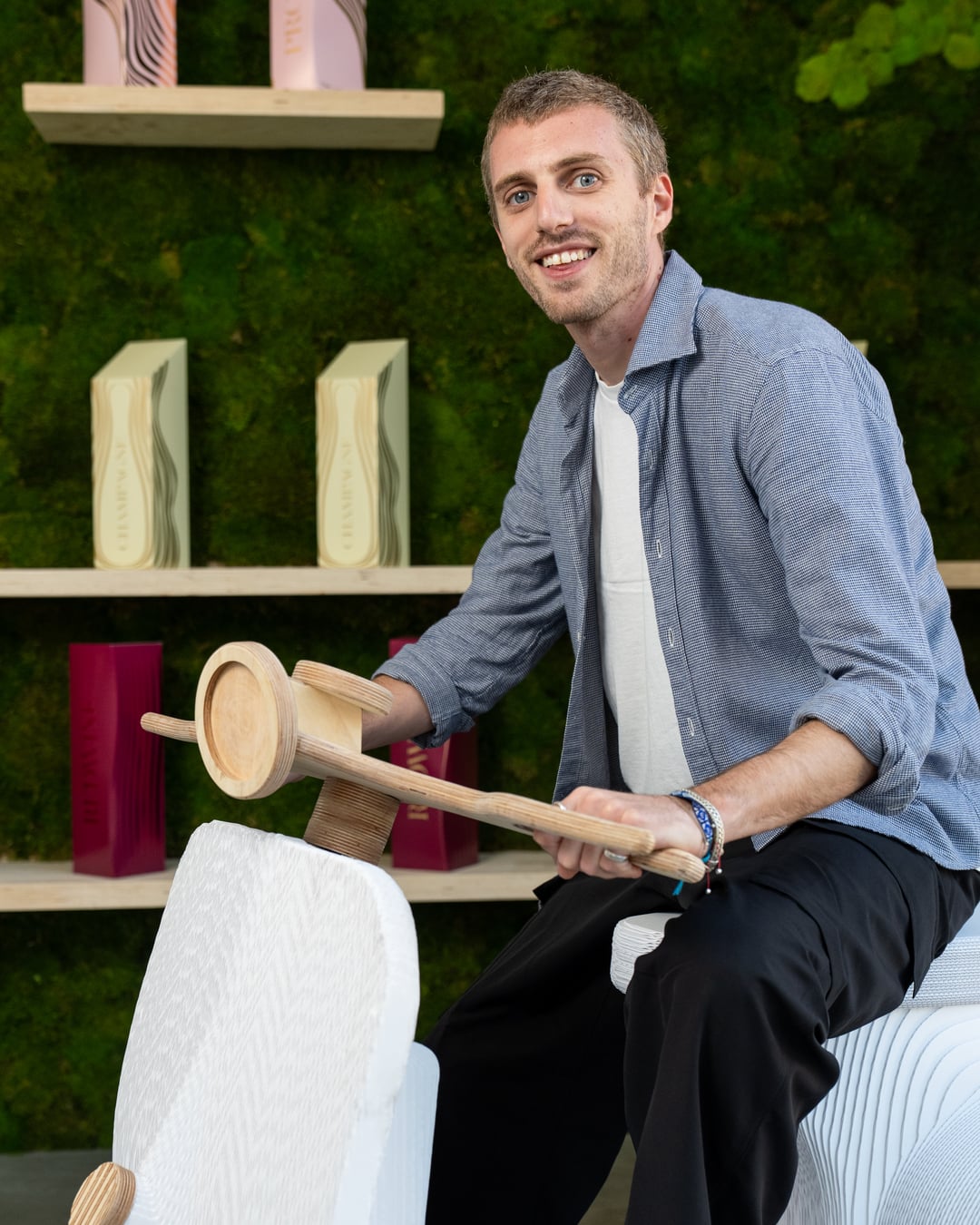
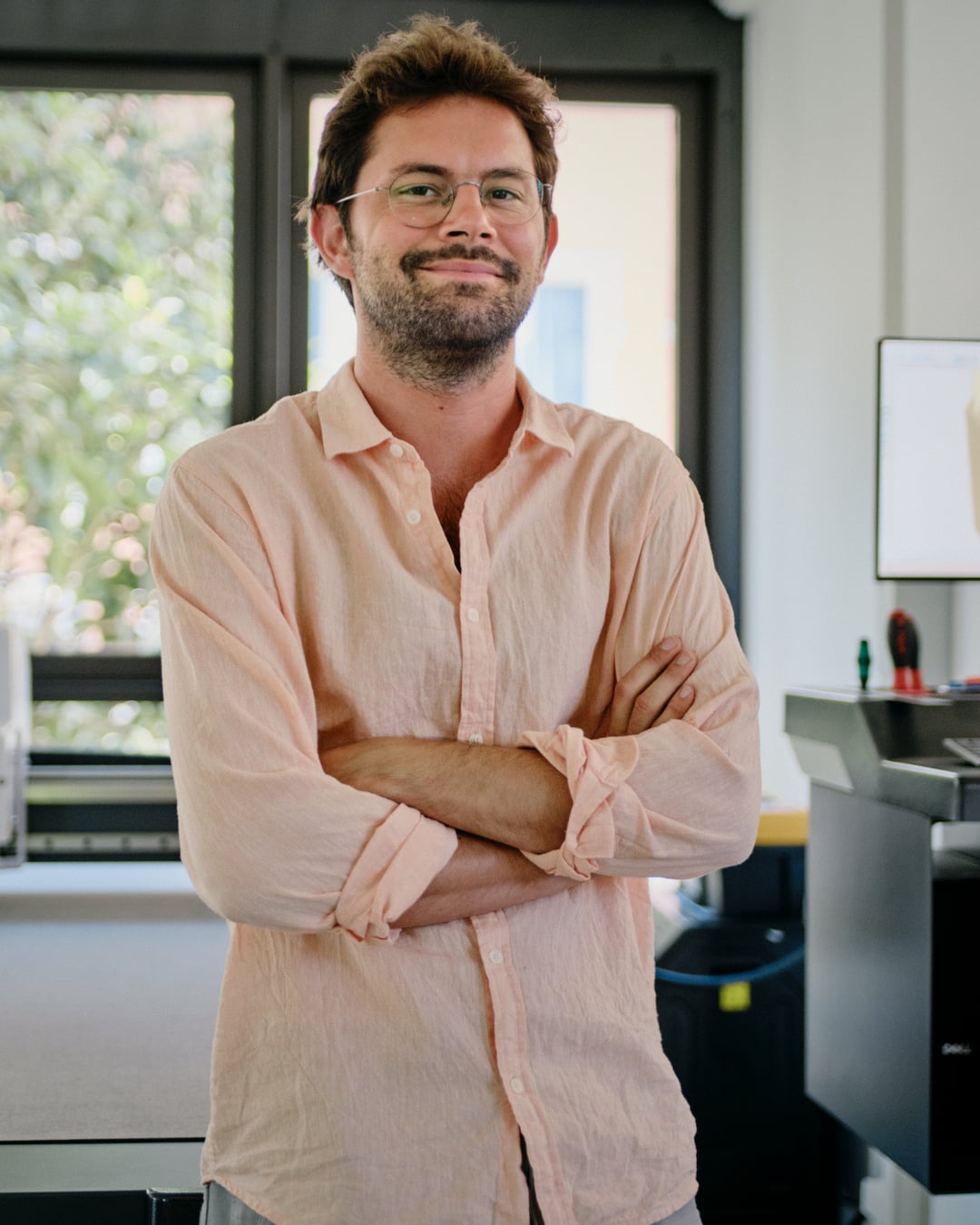
Giovanni Pagani, Designer, Structural Packaging and Lorenzo Luzi, Designer, Graphical Packaging, are very excited about the creative potential of the Milan Design Studio. The designer duo feels that in a city like Milan, where design is part of everyday culture, you learn very quickly that people don’t just buy products – they buy experiences.

“Today’s consumers are exposed to an incredible amount of information and choice. As a result, packaging has become one of the most important tools for communicating a brand's identity instantly,” says Lorenzo Luzi.

Giovanni Pagani points out that we live in a world that is constantly evolving, and design evolves with it. There are no signs of this trend slowing down, either. 

“If anything, the role of design will become even more important, as brands look for new ways to stand out, connect with consumers and communicate their values,” Pagani believes.

Lorenzo Luzi, Designer, Graphical Packaging
Giovanni Pagani, Designer, Structural Packaging

Carbon footprint reduction

The two designers add that while design may be what attracts people to a product, materials are the key to making it all work in reality. A package can look beautiful, but if it doesn't protect the product properly, it has failed. Another key consideration: the Milan design team is always looking for ways to lower the carbon footprint of the packaging solution, supported by data-based assessment.

Luzi provides an example of this “Milan mindset”: The design team took an over-engineered packaging solution and replaced it with a lighter, fibre-based alternative that uses less material – while maintaining solid performance. 

“Here, the consumer benefits from a simpler and more intuitive experience, the brand benefits from a more substantiated sustainability story, and the package still performs as required, throughout the supply chain,” he says.

“Often the most interesting projects are those where sustainability improvements actually lead to a better overall user experience rather than requiring compromises on UX.”

The future of packaging innovation starts here

Luzi and Pagani, along with the entire Milan Design Team, are convinced that innovative packaging solutions are just getting warmed up – there’s plenty of good stuff in the pipeline. In the future, packaging will become increasingly connected to digital experiences, Pagani predicts.

“Within five years, I would not be surprised to see a much stronger blend of physical packaging and augmented reality, allowing consumers to interact with brands in completely new ways.”

“At the same time, advances in materials and digital design tools will enable us to create packaging that is both smart and more material-efficient,” adds Luzi.