

The world’s population is increasingly concentrated in cities, driving the need for new homes, offices and public and commercial buildings. The construction industry is therefore looking for solutions that enable buildings to be constructed faster, more cost-efficiently and in a more environmentally sustainable way.
Wood offers an interesting alternative. As trees grow, they absorb carbon dioxide from the atmosphere, and wood products store carbon throughout their lifetime. In long-lasting buildings, this carbon can remain stored for decades or even centuries. Wood’s ability to replace fossil-based and energy-intensive materials is also seen as an important part of reducing emissions from construction.
The potential of timber construction is also being explored through research. Researchers at Aalto University have shown that timber construction can significantly increase the amount of carbon stored in the building stock and help compensate for the loss of forests in areas affected by urban development.
 Industrial solutions are transforming construction
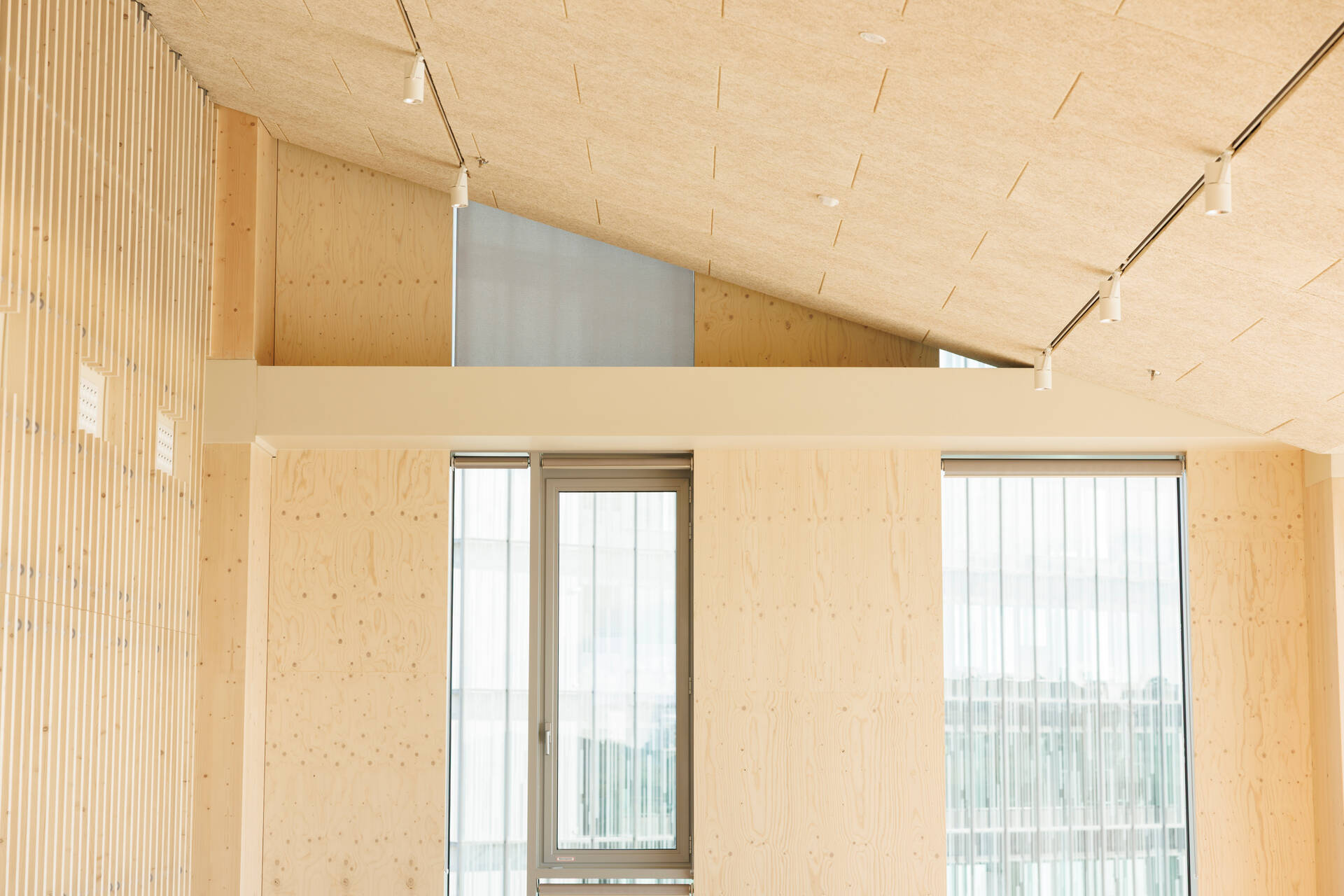
The development of timber construction is being accelerated particularly by the industrialisation of construction. Prefabricated elements, modules and advanced engineered wood products enable faster, more precise and more material-efficient construction.
Glulam, laminated veneer lumber (LVL) and cross-laminated timber (CLT) are now key construction materials in apartment buildings, offices and public buildings alike. They enable long spans, lightweight structures and efficient prefabrication.
Buildings are increasingly being manufactured as highly finished industrial products. Factories can produce prefabricated wall and room modules with windows, doors and some building services already installed. At the construction site, the elements can then be quickly assembled into a completed building.
For example, the Xylino residential project in the Netherlands used hundreds of timber modules, which were delivered to the construction site in a highly prefabricated form. The industrial approach significantly accelerated construction compared with traditional methods.
 New opportunities for sawn timber
Construction is one of the most important uses of sawn timber globally. At the same time, the market is constantly evolving.
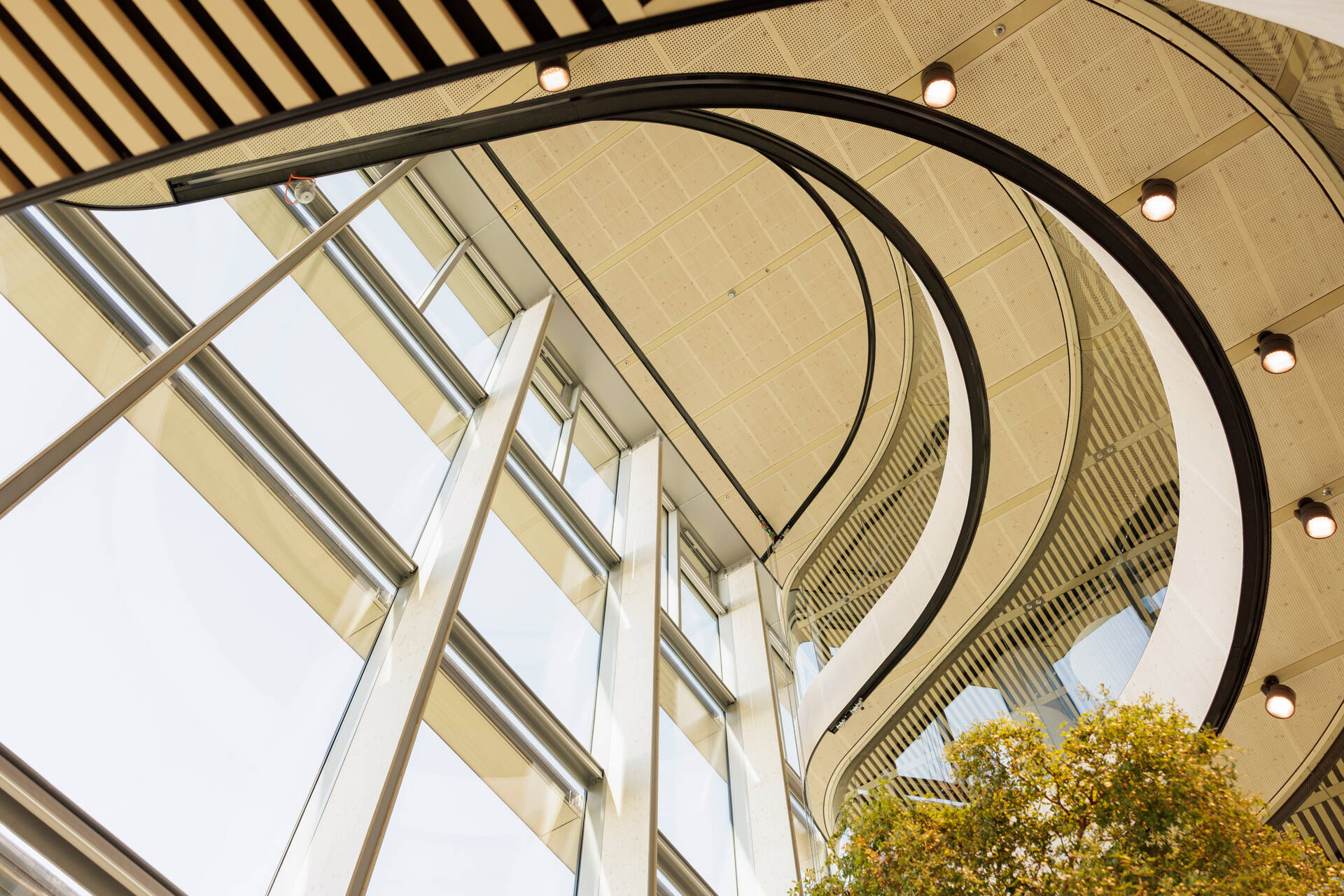
The increasing use of timber in construction, the growth of structural wood products and the requirements for low-carbon construction are creating new opportunities for the Finnish sawmill industry. Interest in wood-based construction solutions has grown particularly in Europe, as greater attention is being paid to the environmental impacts of construction.
Metsä Fibre’s sawn timber business strategy aims to identify new business opportunities together with customers and develop new, higher-value applications for wood raw material. Structural wood products are one example of a market whose development is being closely monitored.
“Construction is one of the most important applications for sawn timber, and as the sector develops, we see new opportunities particularly in structural wood products and low-carbon construction solutions. This supports our goal of identifying new, higher-value applications for sawn timber,” says Kustaa Laine, VP, Timber Sales at Metsä Fibre.