Five decades of engineered wood development

This material, developed and refined over five decades, is now undergoing a transformative expansion. Metsä Wood's investment in a new production facility in Äänekoski represents a significant commitment to meeting the accelerating global demand for more sustainable construction materials.

The origins of Kerto LVL trace back to the 1970s, when Metsäliitto identified a market need for a high-performance wood product that could outperform traditional sawn timber and plywood. Development efforts began at the Punkaharju mill in 1974, combining technical innovation with practical engineering expertise. The commercialization phase, spanning 1975 to 1980, established the production technology, product specifications, and end-use applications that would define the material's market positioning. 

Scaling production to meet growing demand

Early commercial applications included roof elements and other structural applications. Production scaled to Lohja in 1980, enabling significant capacity expansion over the following two decades. Today, Kerto LVL has established itself as one of Finland's most successful engineered wood exports, with applications spanning residential construction, industrial facilities, and multi-storey construction. 

"The development process required rigorous focus on both manufacturing technology and market applications," notes Jyrki Uimonen, who has led Kerto LVL production and sales for over two decades. "North American inspiration met Nordic engineering to create something superior to either approach alone." 

Photos: Collection of the Finnish Forest Museum Lusto / Finnish Forest Industries

Technical properties and market advantages 

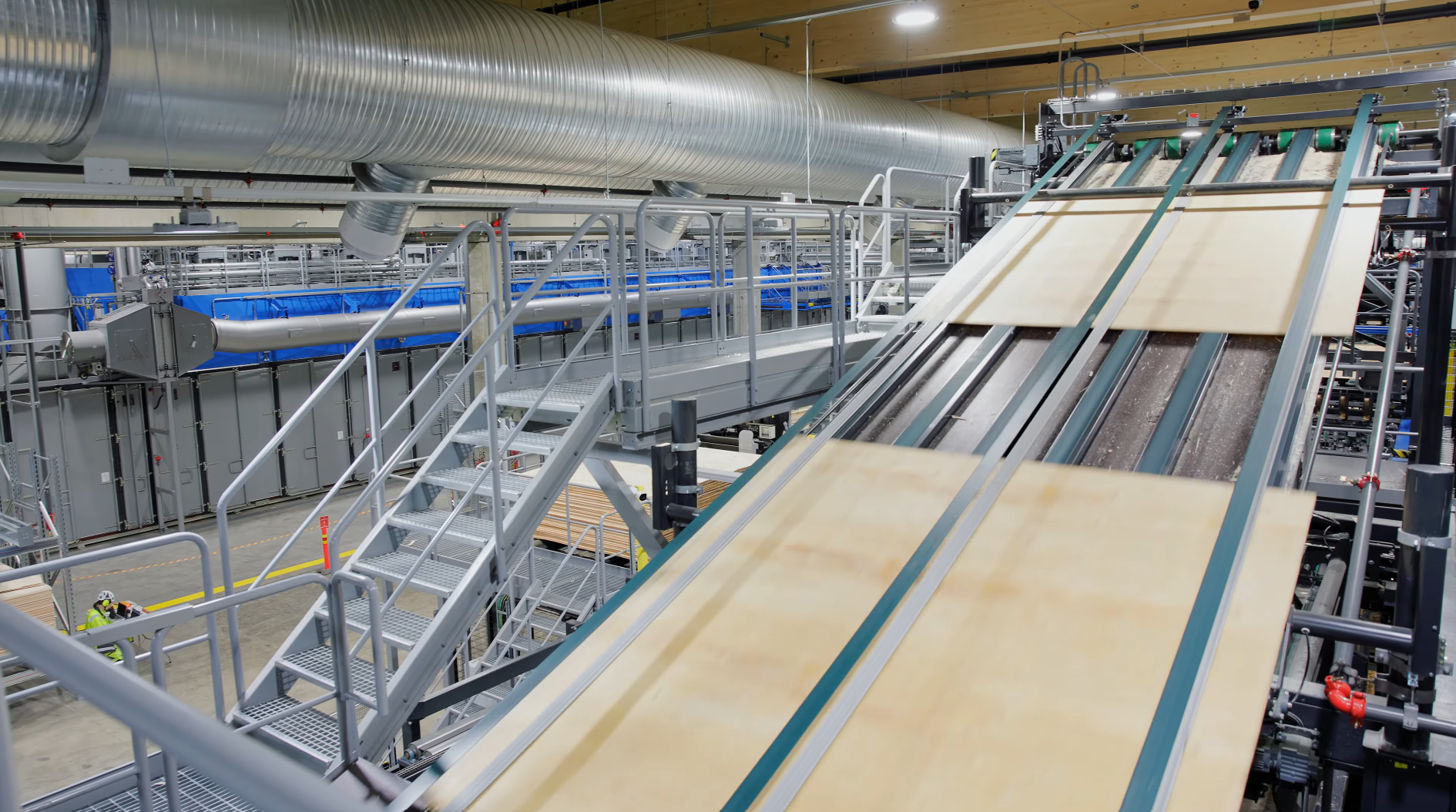
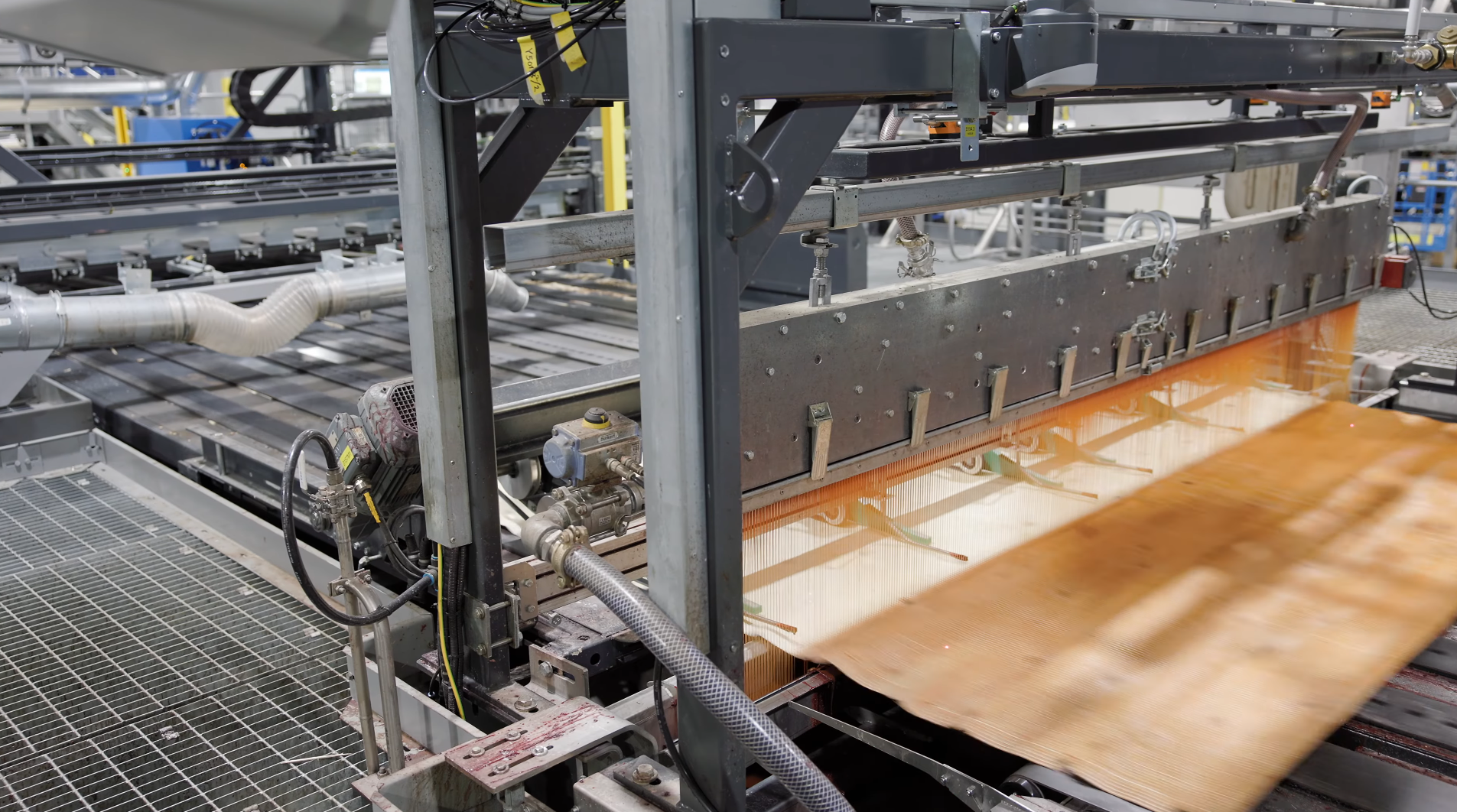
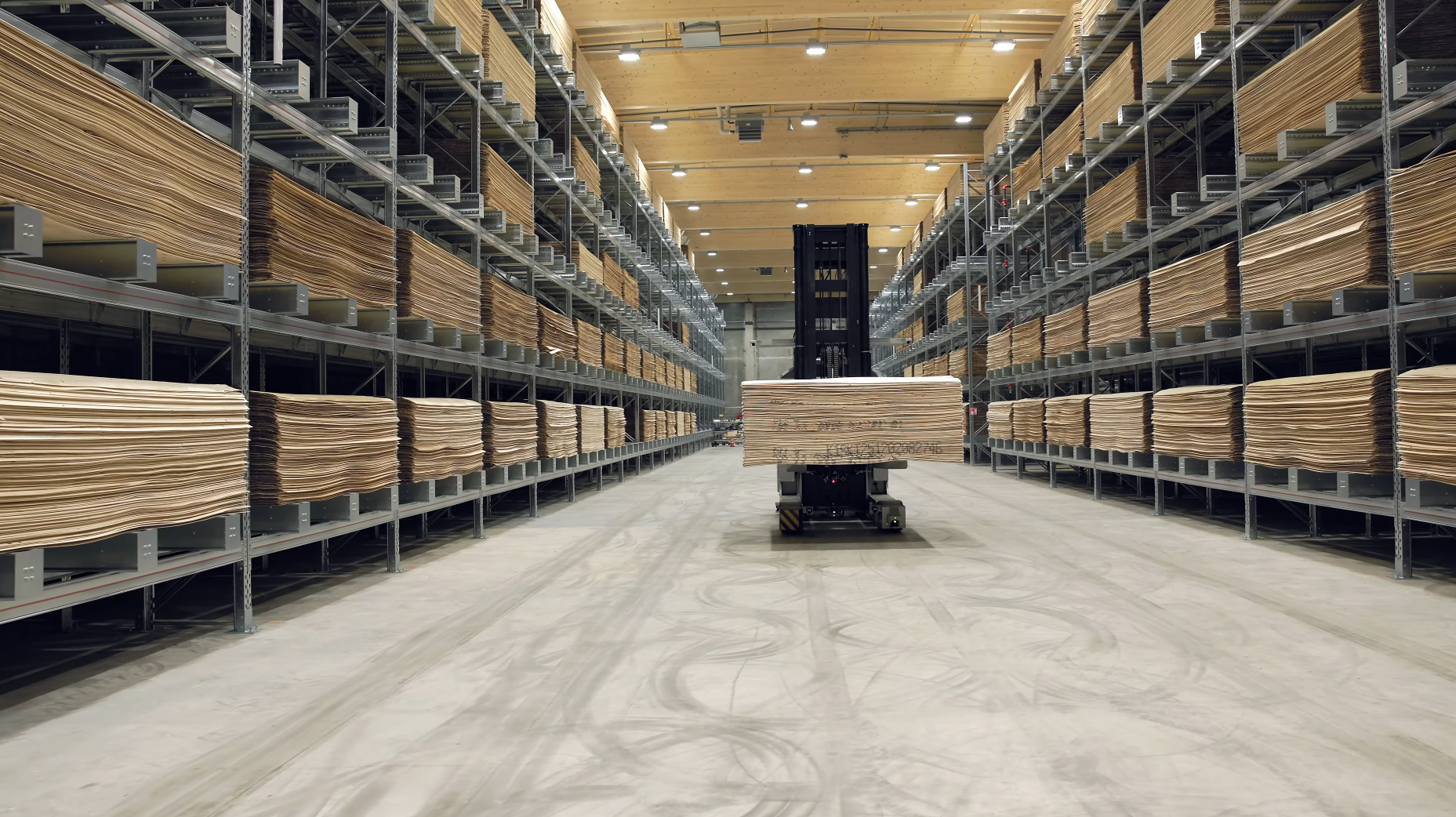
Kerto LVL is made from 3 mm thick, rotary-peeled and strength-graded softwood veneers. The veneers are bonded with weather- and boil-resistant phenol formaldehyde adhesive and manufactured as a continuous billet. This engineered structure delivers distinctive competitive advantages. The laminated veneer configuration eliminates natural wood defects, enabling more efficient raw material utilization—knotty logs unsuitable for conventional sawing can be incorporated into production. 

The material exhibits exceptional strength-to-weight properties: relative to its mass, Kerto LVL is comparable to steel. Its dimensional stability across temperature and humidity variations ensures precision in manufacturing and installation. This combination of strength and consistency makes it an ideal solution for demanding structural applications. 

Resource efficiency and reduced environmental impact

Resource efficiency represents a critical competitive advantage. Compared to alternative wood-based materials, Kerto LVL achieves equivalent load-bearing performance with substantially reduced material volume. Floor and wall elements require approximately 50 percent less material thickness than cross-laminated timber (CLT). LVL beams demand roughly half the material of comparable glulam solutions. This efficiency translates to reduced raw material consumption, lower transportation emissions, minimized construction waste, and increased usable floor space—particularly valuable in urban projects where space optimization directly impacts economics. 

As a renewable material from sustainably managed Nordic forests, Kerto LVL stores carbon dioxide throughout its lifecycle. This carbon storage, combined with recyclability and significantly lower manufacturing emissions compared to steel and concrete, makes it an ideal solution for meeting Europe's carbon reduction objectives.

The Äänekoski Kerto LVL mill project: a strategic infrastructure investment with a strong focus on safety 

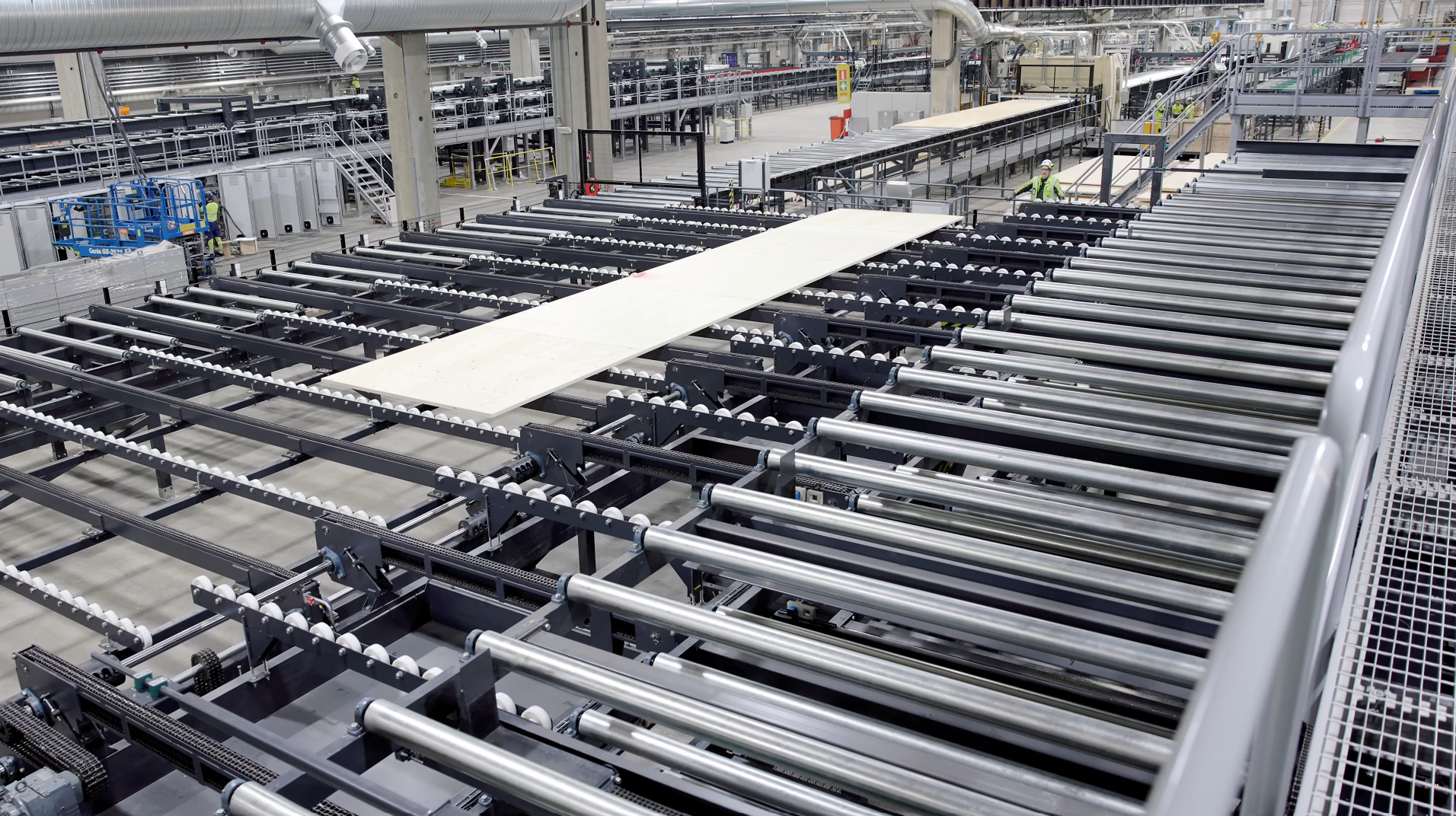
The new Äänekoski Kerto LVL mill represents one of Metsä Wood's largest single infrastructure investments, reflecting confidence in long-term market dynamics. The facility is under construction across a five-hectare site, with building dimensions of 400 metres in length and 150 metres in width. The project, valued at approximately 300 million euros, is scheduled for operational launch by the end of 2026. Upon completion, the mill will increase Metsä Wood's Kerto LVL production capacity by 50 percent, adding 160,000 cubic metres of annual capacity. The project will also generate approximately 140 permanent positions. 

Focus on workplace safety and project execution

Project leadership has prioritized workplace safety throughout the construction phase. Despite concurrent activity from construction and assembly teams, accident rates have remained exceptionally low, reflecting consistent implementation of proactive safety protocols. 

"Stakeholder sentiment regarding this project remains strongly positive," notes Äänekoski Kerto LVL mill's Project Director Eero Lampola. "In the current economic environment, this investment signals meaningful confidence in market growth and long-term industry development." 

Accelerating innovations with new R&D laboratory 

Concurrent with mill construction, Metsä Group is investing in a dedicated research and development laboratory for veneer-based wood products at the Äänekoski site. This facility represents strategic commitment to product innovation and process optimization. 

The laboratory will serve as a testing environment for collaborative development of advanced wood products, working with Metsä Group's established partner network. Investment focus includes material-efficient load-bearing structures, expanded utilization of diverse raw material inputs, and enhanced manufacturing processes. 

"Our strategic objective is to maximize resource efficiency while simultaneously reducing environmental impact," explains Juha Kasslin, Senior Vice President, Business Development of Metsä Wood. "The laboratory will significantly accelerate product development cycles, enabling faster commercialization of innovation in our portfolio." 

The R&D infrastructure enables optimization of material efficiency in structural applications. For comparable load-bearing capacity, engineered solutions utilizing Kerto LVL can achieve meaningful material reduction compared to solid wood constructions. This translates directly to cost efficiency, reduced raw material consumption, and decreased environmental footprint. 

Strategic significance and future outlook 

The Äänekoski investment reflects broader market trends supporting wood-based construction. Climate mitigation objectives established through European Union policy frameworks increasingly require material substitution away from carbon-intensive alternatives. Kerto LVL, through its carbon sequestration properties and manufacturing efficiency, provides a quantifiable solution to emissions reduction requirements in the built environment. Kerto LVL's primary markets are concentrated in Europe, with significant distribution to North America and Australia. 

The completion of the Äänekoski Kerto LVL mill will enhance market accessibility for sustainable construction solutions. Increased production capacity reduces delivery timelines and improves availability for customers. The integrated research facility ensures continuous innovation in material performance, environmental impact reduction, and cost efficiency. 

The development of Kerto LVL demonstrates how engineered solutions can address simultaneously the technical, economic, and environmental requirements of contemporary construction. Metsä Group's commitment to scaling this capacity marks a defining moment in construction's transition toward sustainable, performance-driven building methods.