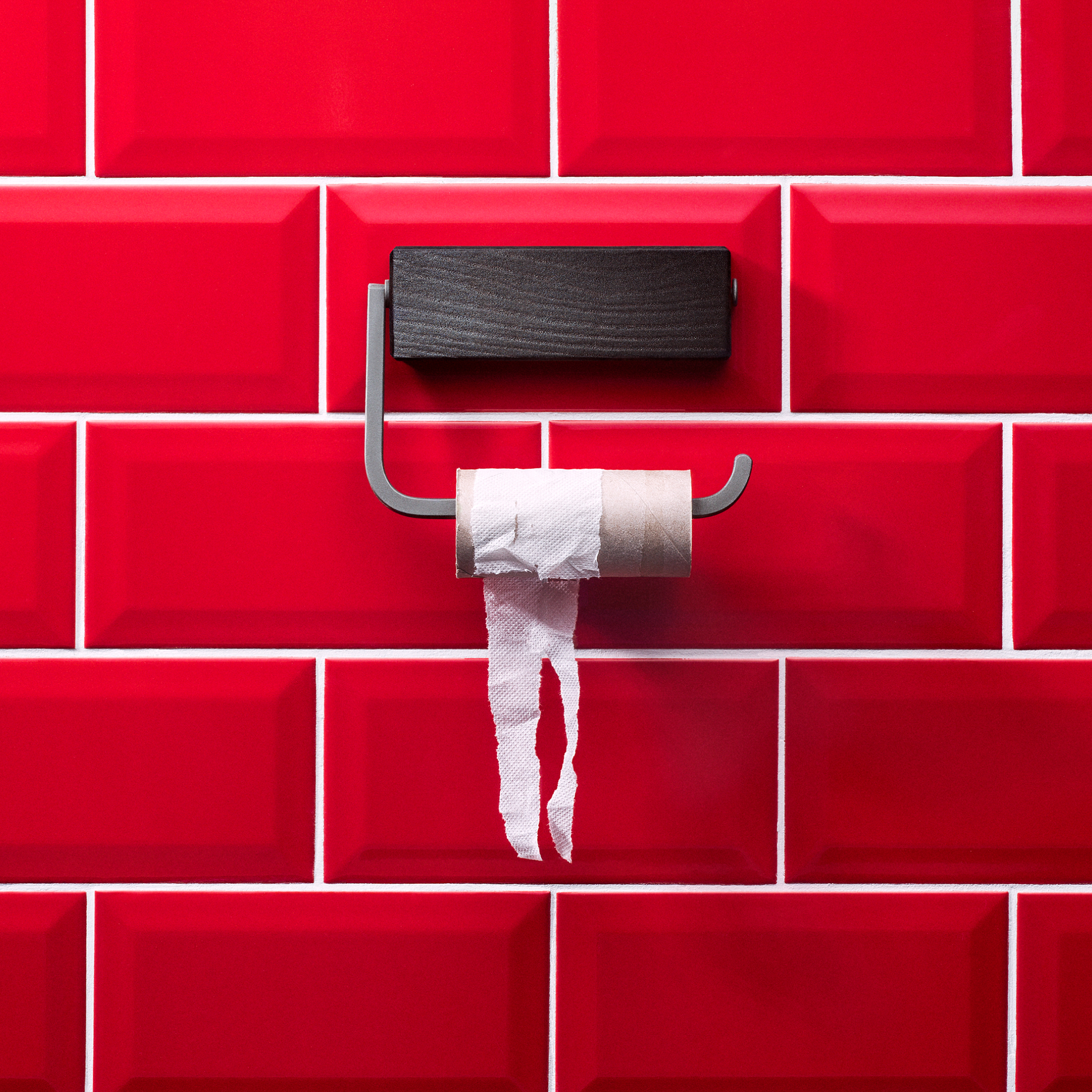
From an operational perspective, this is where hygiene stops being a product question and instead becomes a question of health. It is not about individual components working in isolation, but about whether the overall setup can support stable routines over time, without constant intervention.

The real cost of unreliable hygiene is not just empty dispensers or missed refills. It is the loss of predictability. The extra time spent firefighting. The erosion of control in daily operations. The risk of contamination or spread of germs. The risk of brand dissatisfaction. When hygiene requires continuous attention, it quietly competes with everything else that needs to function.
That is why the goal of effective hygiene is not just about perfect products.
It is about reliability.
- Hygiene that works as expected, day after day, across different situations and different demands.
- Hygiene that supports routines instead of disrupting them, and allows organisations to stay focused on what matters most to their business.
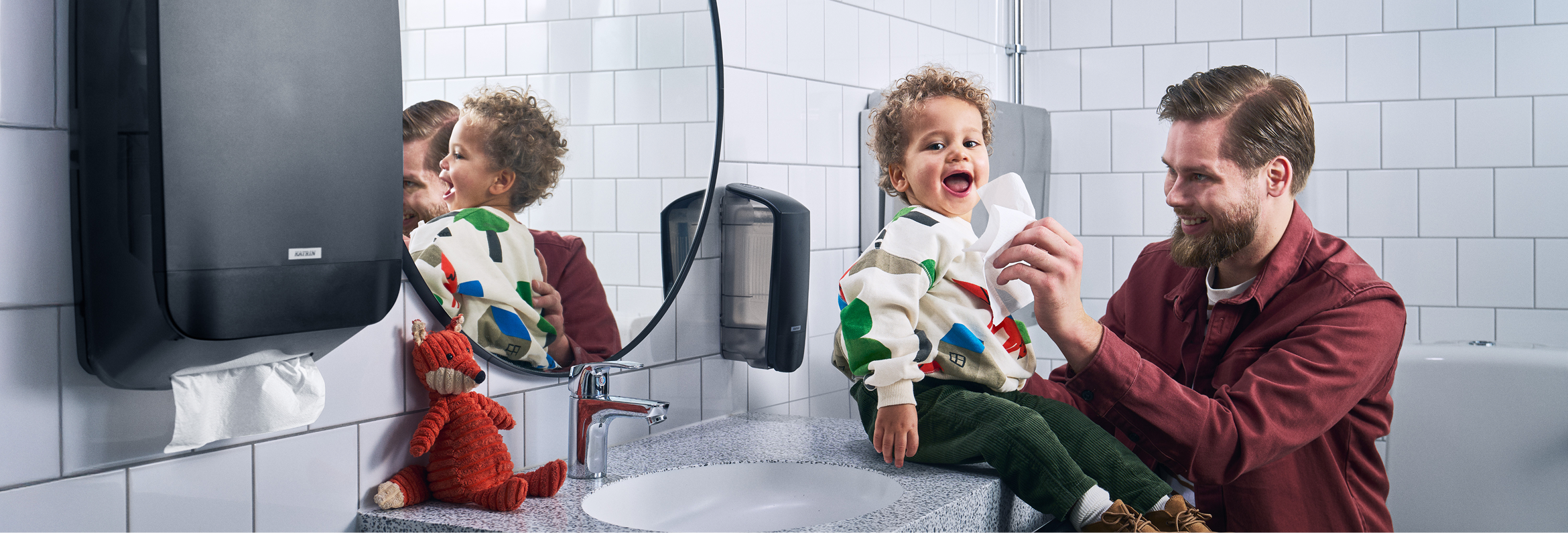
Don't let consumables be the weakest link.
Reliability, however, is not only about how solutions perform in use. It also depends on whether they can be supplied consistently over time. Even the most robust setup becomes fragile if availability cannot be taken for granted. In hygiene, predictable access to essential consumables is part of operational stability, not a logistical detail.
Hygiene may only attract attention when it fails. But making sure it works consistently is a critical part of keeping operations running smoothly.