
Marketing

In a busy washroom, a dispenser that jams or runs empty at the wrong moment creates an immediate problem. The frustration is familiar to everyone: dispenser runs empty of paper, sheets tear, hands stay wet, queues form and a washroom feels neglected even if it was cleaned minutes ago.

This isn’t a minor inconvenience. In places like hospitals, airports or stadiums, washroom failure instantly undermines trust. It signals that something in the operation isn’t under control.

For facility teams, the issue is just as practical. Dispensers that are too small for the traffic or prone to malfunction mean extra checks, urgent refills, more complaints and less time for planned cleaning work.

What actually matters in high‑traffic washrooms

Here are three factors defining whether a washroom performs or fails under pressure:

Availability:

Is paper there, every time?  

This is the baseline expectation - and still the most common failure point.

Empty dispensers don’t just create inconvenience; they break the flow of the space. In high-traffic venues, even short gaps in availability escalate quickly into queues and complaints.

Consistency matters more than capacity alone. Systems need to ensure that supply doesn’t suddenly drop to zero in peak moments.

Flow: Can the washroom 

handle peak usage without friction?

High traffic is not a steady stream but comes in waves: halftime breaks, class intervals, shift changes. If dispensers can’t keep up, small delays compound.

But just as often, the problem isn’t the dispenser itself - it’s where and how many there are. You see it everywhere: dispensers placed in corners, too close to entrances, or positioned in a way that forces incoming and outgoing users into the same space. People trying to approach, use, and leave the dispenser all at once - and suddenly, the washroom flow breaks down.

Smooth flow means product performance but also layout, accessibility and capacity working together.

Stability: Is facility management ahead

or just reacting?  

For facility teams, the challenge isn’t high level of usage - it’s unpredictability. Without control, refill schedules become guesswork. Staff end up over-checking or missing critical moments, leading to:

  • Unplanned interventions
  • Increased workload
  • More complaints

Operational control means knowing that consumption is consistent, refill cycles are predictable, and maintenance is manageable at scale.

How Katrin System helps keep busy washrooms running

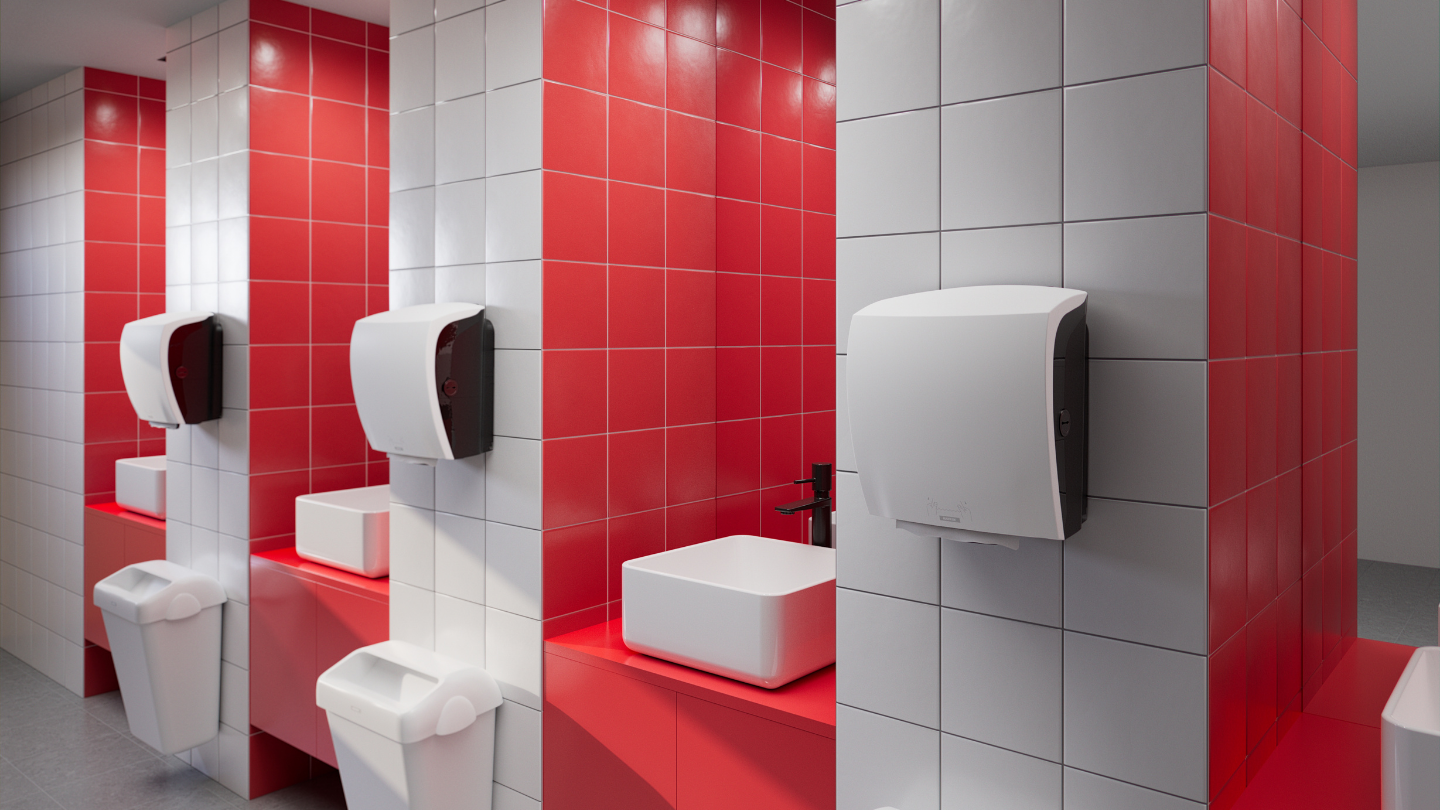
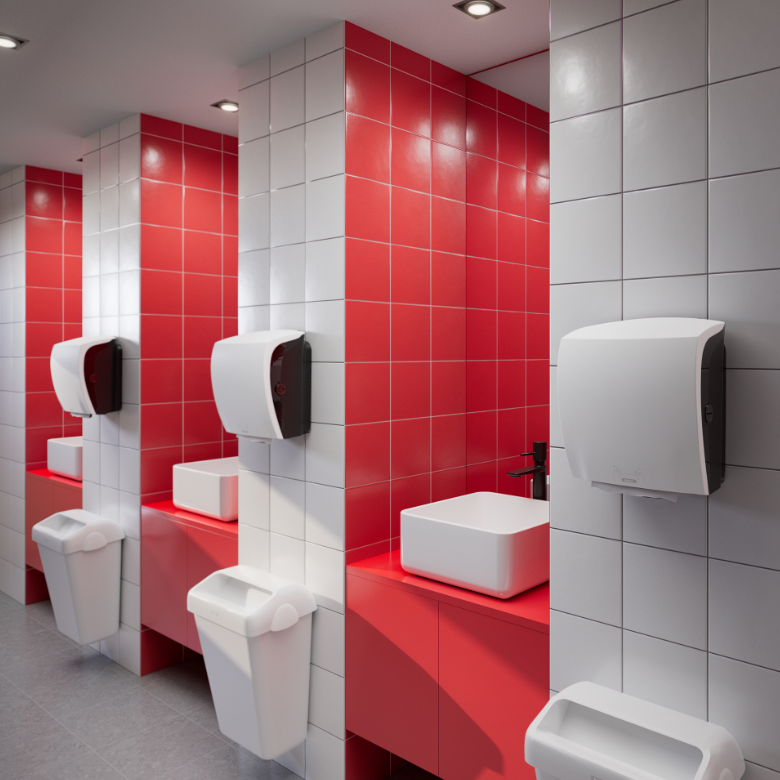
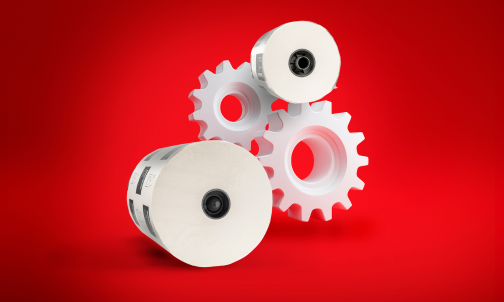
Katrin System addresses these everyday washroom problems with high-capacity rolls, controlled dispensing and dispenser mechanics that are built for frequent use.

The result is a washroom solution that is easier to manage during peak traffic. Cleaning teams can plan refill rounds more efficiently, check paper levels at a glance and spend less time dealing with urgent shortages or malfunction-related complaints.

For users, the experience is simple: the paper is there, the dispenser works, and the washroom feels properly maintained. In other words: it just works.

Contact us and find outmore about Katrin System Solutions

Contact information